ULM Farms LLC
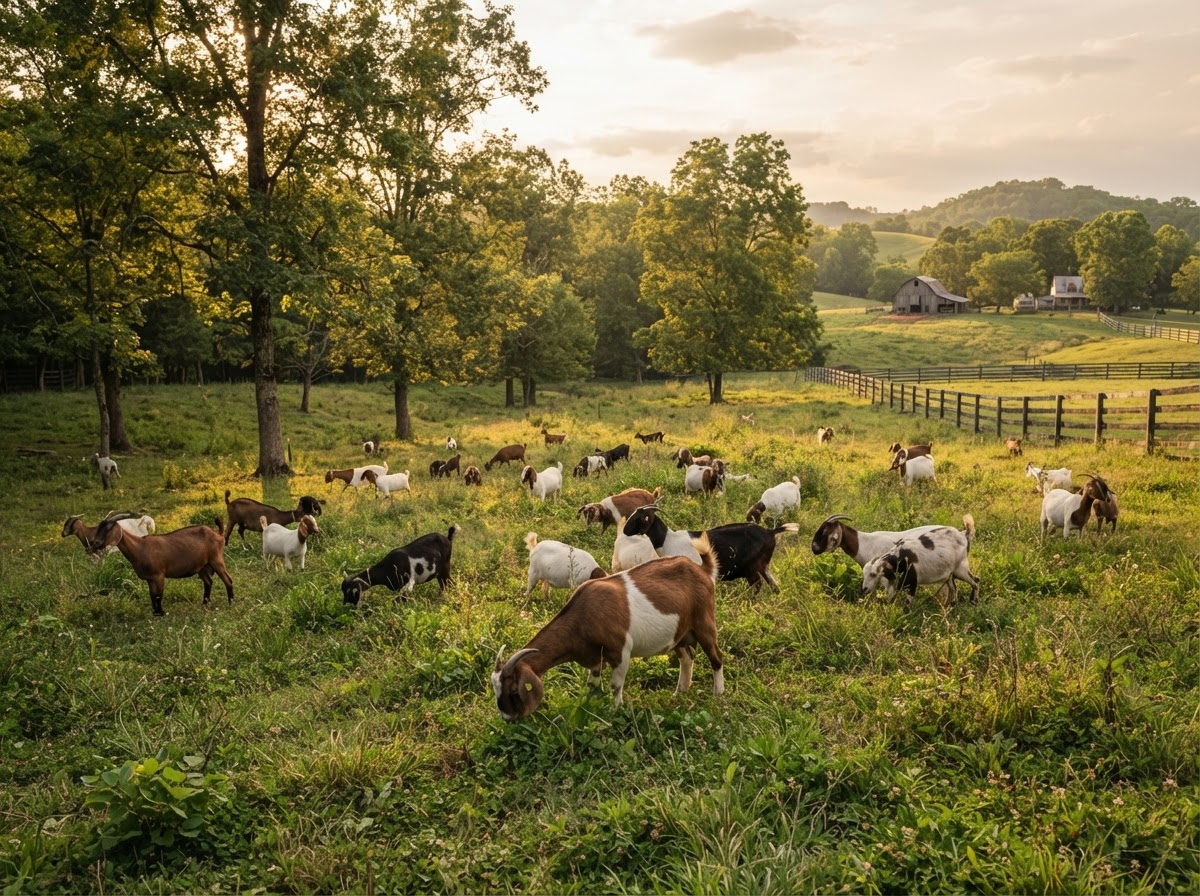
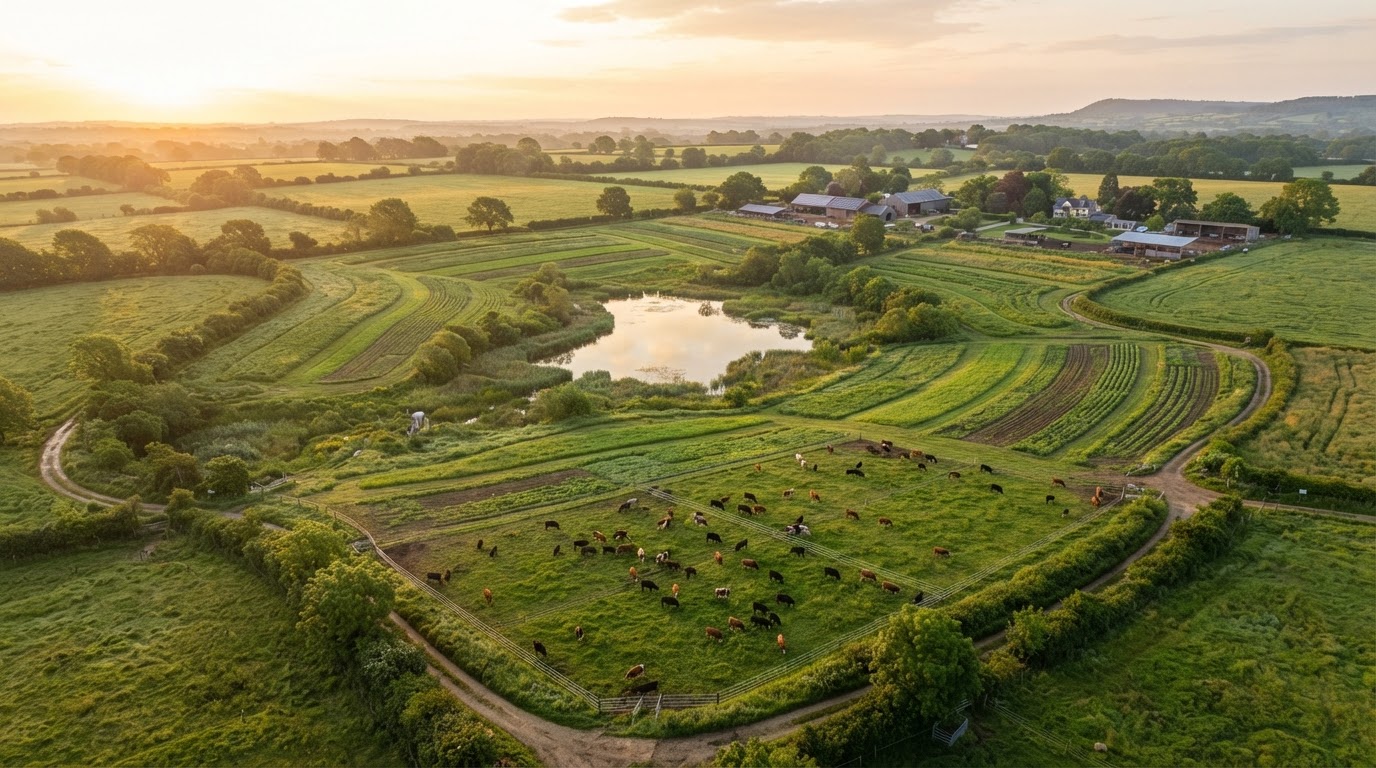
Tennessee farmland at golden hour
ULM Farms LLC
Regenerative Agriculture and Innovation

Rebuilding Soil Health, One Connected System at a Time.

Twelve integrated systems under consideration for ULM Farms, explained for neighbors and researchers alike.

One Farm. Connected Systems.

Each part of the farm is designed to feed another.

Regenerative agriculture works when soil, water, crops, livestock, facilities, and nutrient recovery support one another in a cycle. Below are the twelve systems ULM Farms is considering, each with what it is, why it interests us, how it connects to the others, the open research questions, and its current status.

These are planning concepts. Engineering, environmental assessment, permits, and technical studies will determine which approaches are feasible.
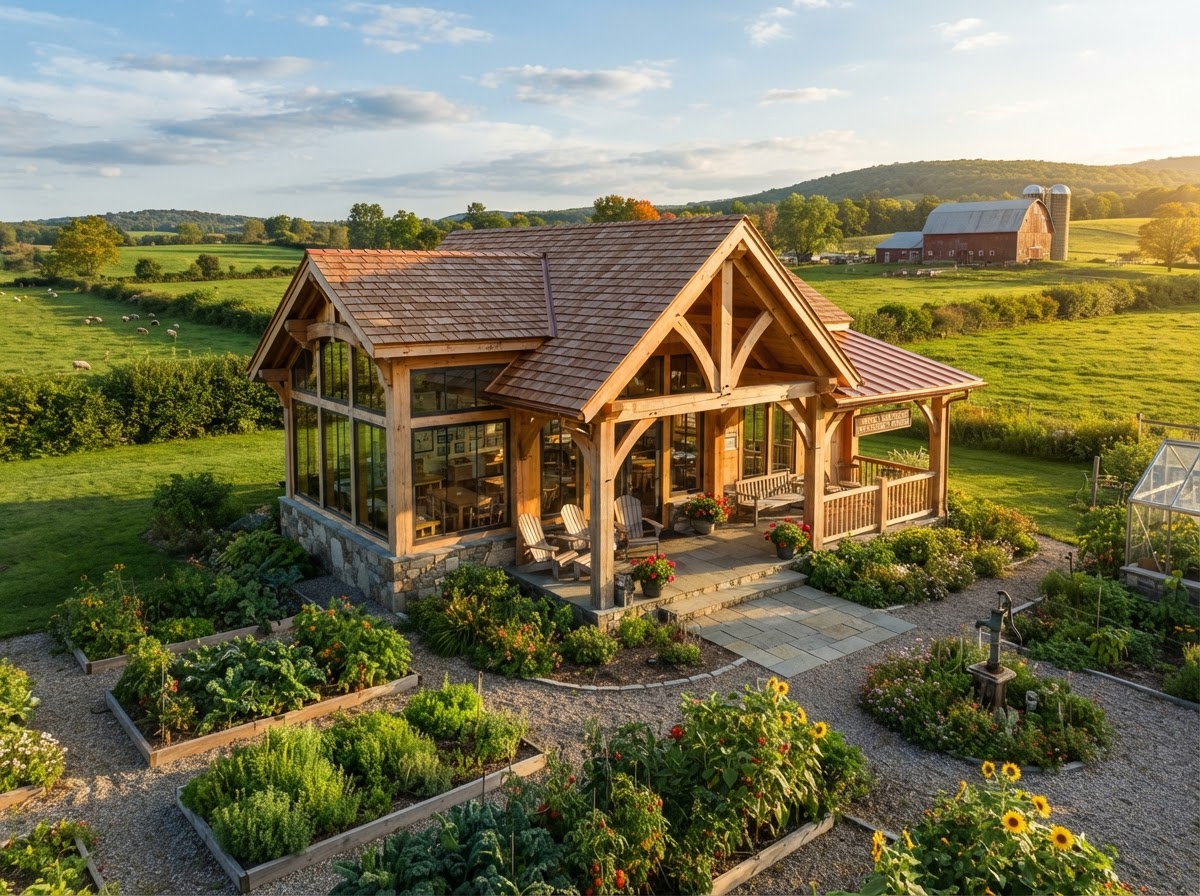
A timber-frame farm education center with a covered porch overlooking farmland and garden beds
01

Education + Residential Facility

Proposed
What it is
A future facility for training, gatherings, and short-term educational residence, anchoring ULM Farms programs and research visits.
Why it interests ULM Farms
Most of the regenerative vision depends on people learning on the land. A dedicated facility gives that work a home and makes collaboration possible.
Relationship to other systems
The anchor for every other system, hosting the programs that connect research, crops, livestock, and restoration.
Research and implementation questions
Capacity, permitting, accessibility, stewardship model, and the scope of any residential use all require study before design.
Status
Proposed.
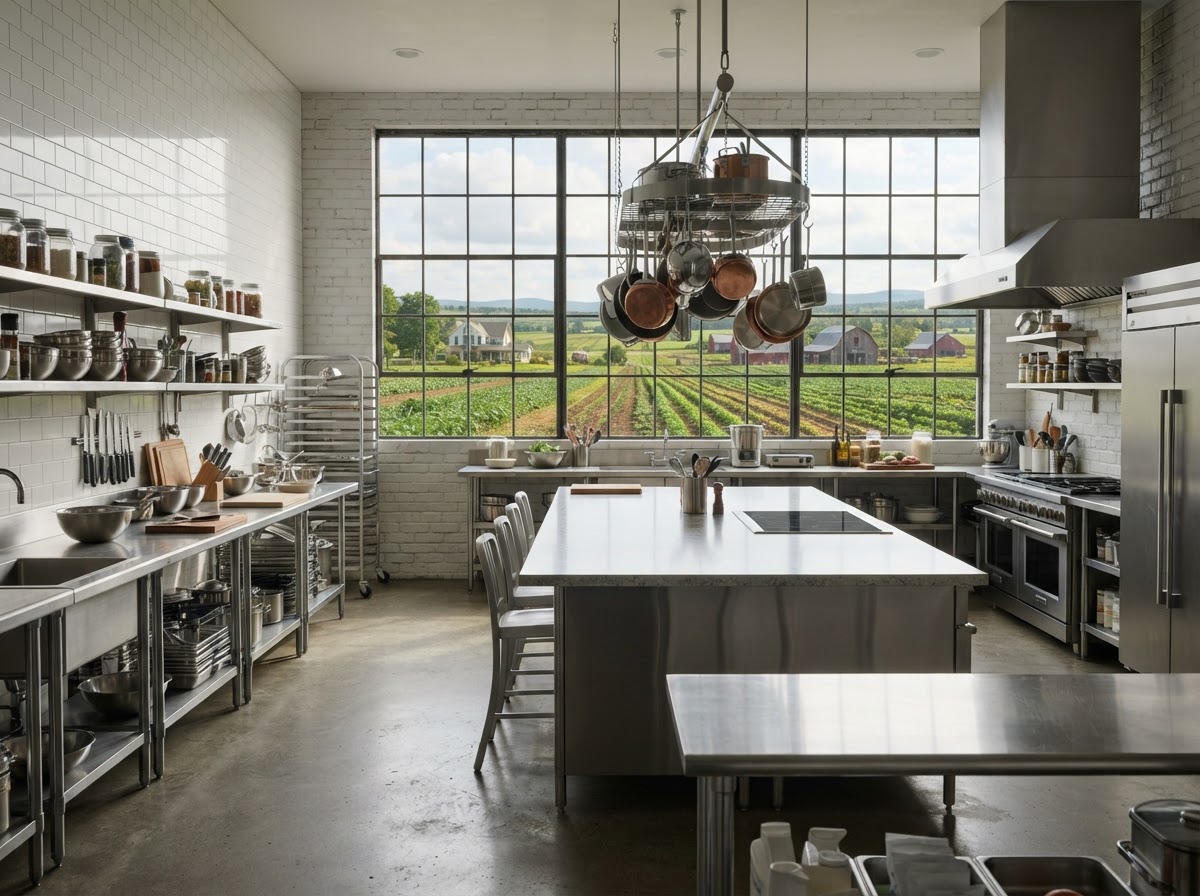
A bright commercial farm kitchen with stainless steel prep counters and a teaching island
02

Commercial Kitchen + Training Center

Proposed
What it is
A commercial kitchen for food preparation, preservation teaching, value-added products, and community meals.
Why it interests ULM Farms
Closes the loop from field to table and gives the farm a place to teach food preservation, a long-standing family skill.
Relationship to other systems
Receives produce from the U-pick garden, orchards, and controlled-environment systems; supports education and community programming.
Research and implementation questions
Health-code licensing, commercial kitchen certification, utilities, and operational fit require careful planning.
Status
Proposed.
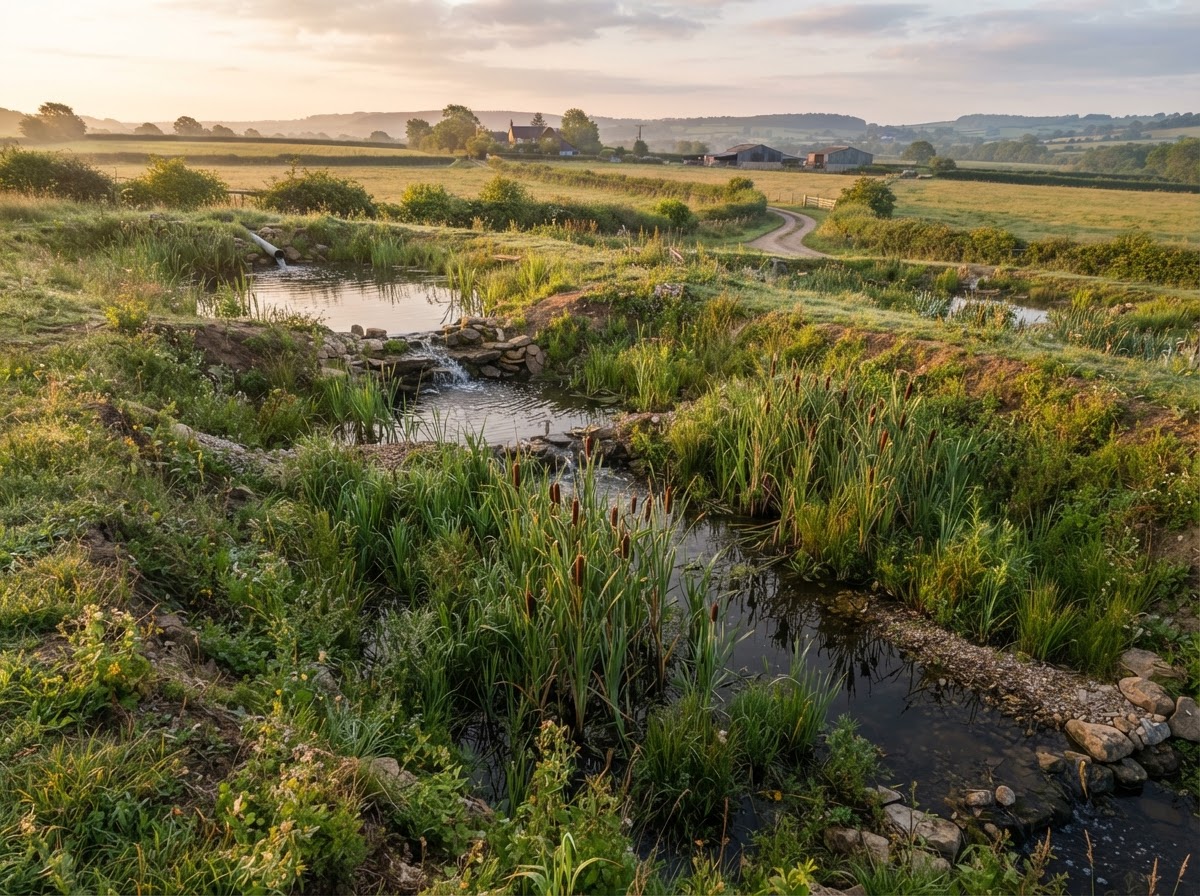
A constructed wetland with terraced pools, cattails, reeds, and native marsh plants for natural water treatment
03

Constructed Wetland Water Waste System

Under evaluationVirginia Tech wetlands capstone
What it is
Natural wastewater treatment using constructed wetlands, with gravity-fed siting under consideration. The property has no municipal water service on site.
Why it interests ULM Farms
Any facility needs a way to manage water responsibly. Constructed wetlands offer a low-energy, ecological approach suited to the site.
Relationship to other systems
Linked to water stewardship, the education facility, and the overall water balance of the farm.
Research and implementation questions
Soil, hydrology, permits, effluent standards, and capacity are being evaluated with a Virginia Tech senior capstone team.
Status
Under evaluation (Virginia Tech wetlands capstone).
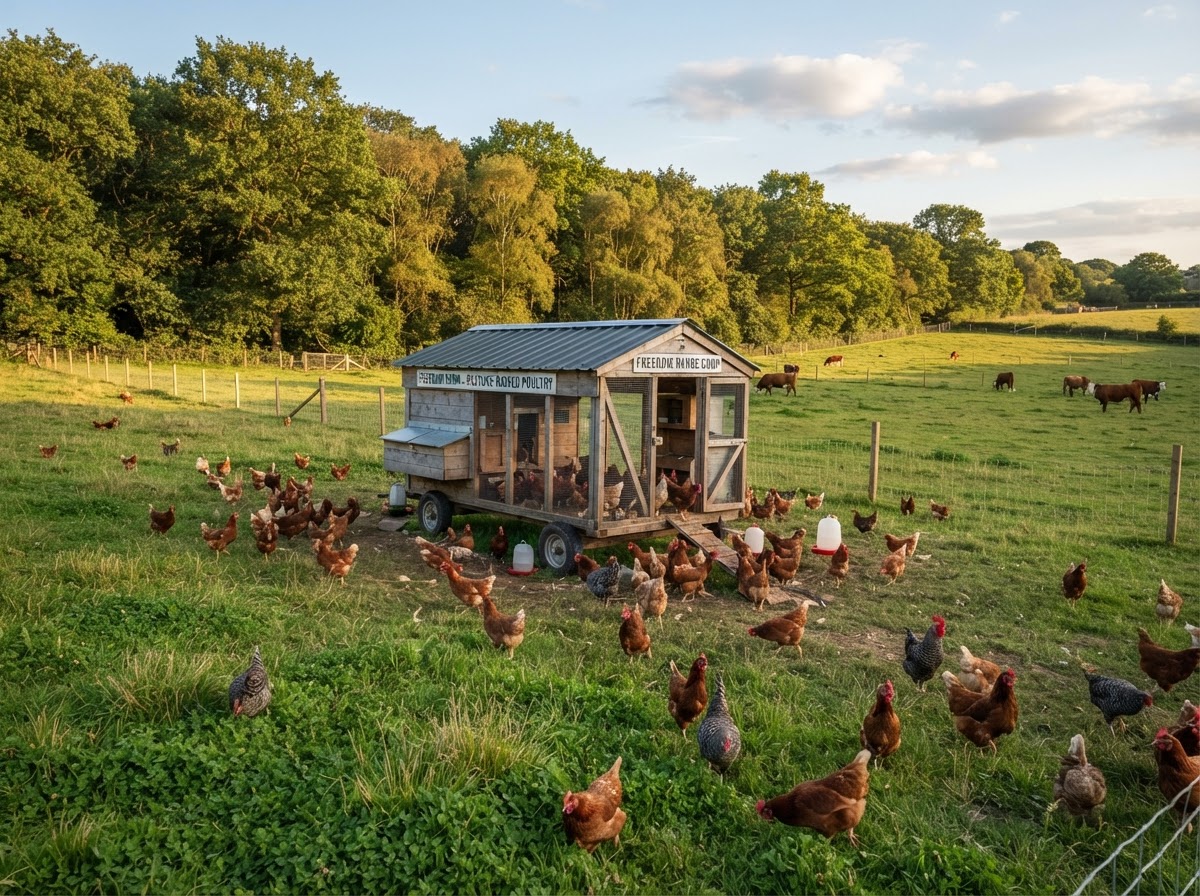
Pasture-raised chickens in a mobile coop on green pasture with a wooded edge
04

Regenerative Poultry

Proposed
What it is
Pasture-based poultry integrated with grazing and composting.
Why it interests ULM Farms
Poultry can build soil through manure, support composting, and add a regenerative protein source to the farm.
Relationship to other systems
Manure feeds composting and vermiculture; birds work alongside grazing and forage systems.
Research and implementation questions
Fencing, predator management, rotation design, processing, and biosecurity require study.
Status
Proposed.
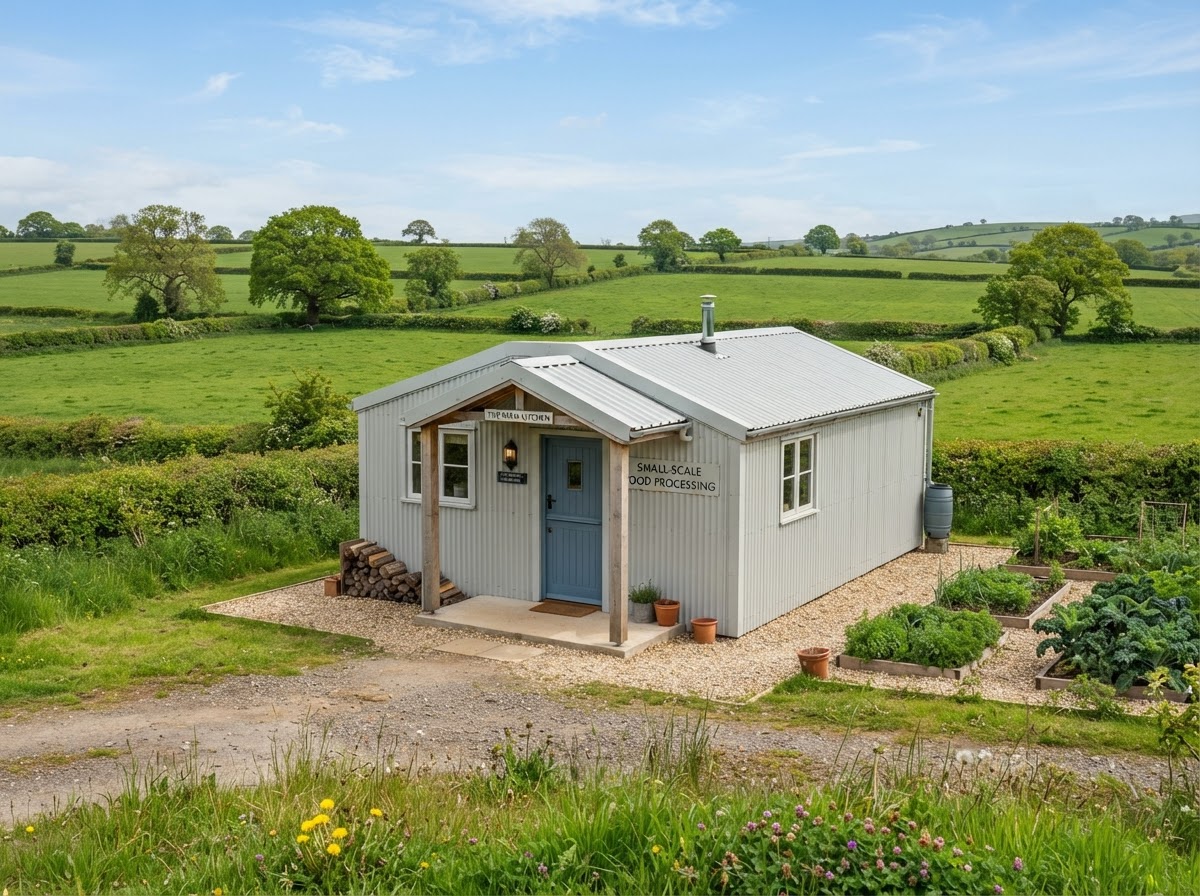
A small clean farm outbuilding for small-scale food processing among green fields
05

Poultry Processing

Proposed
What it is
A small-scale, on-farm processing concept.
Why it interests ULM Farms
Keeps value and learning on the farm and connects poultry production to community food and training.
Relationship to other systems
Ties to regenerative poultry, the commercial kitchen, and education programs.
Research and implementation questions
Licensing, inspection, and food-safety requirements must be understood before any implementation.
Status
Proposed.
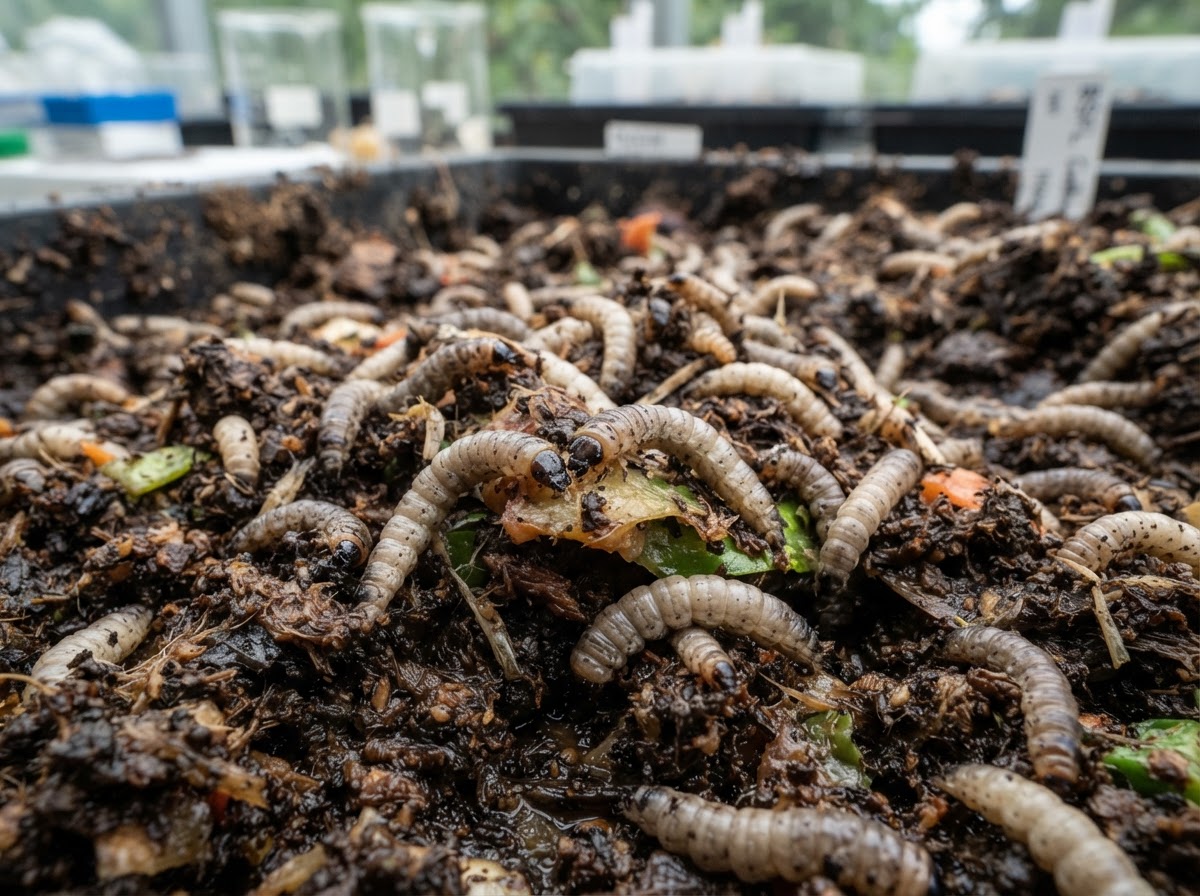
Black soldier fly larvae on a bed of organic compost substrate
06

Vermicomposting + Black Soldier Fly Systems

Under evaluation
What it is
Red wiggler worm composting (Eisenia fetida) and black soldier fly larvae that convert suitable organic resources into insect biomass and frass.
Why it interests ULM Farms
A potential bridge between farm byproducts, animal-feed ingredients, and soil improvement.
Relationship to other systems
Could receive suitable farm residues; outputs may support poultry and aquaculture feed research and composting.
Research and implementation questions
Feedstock, animal-feed regulations, biosecurity, processing, scale, and operational safety require careful study.
Status
Under evaluation.
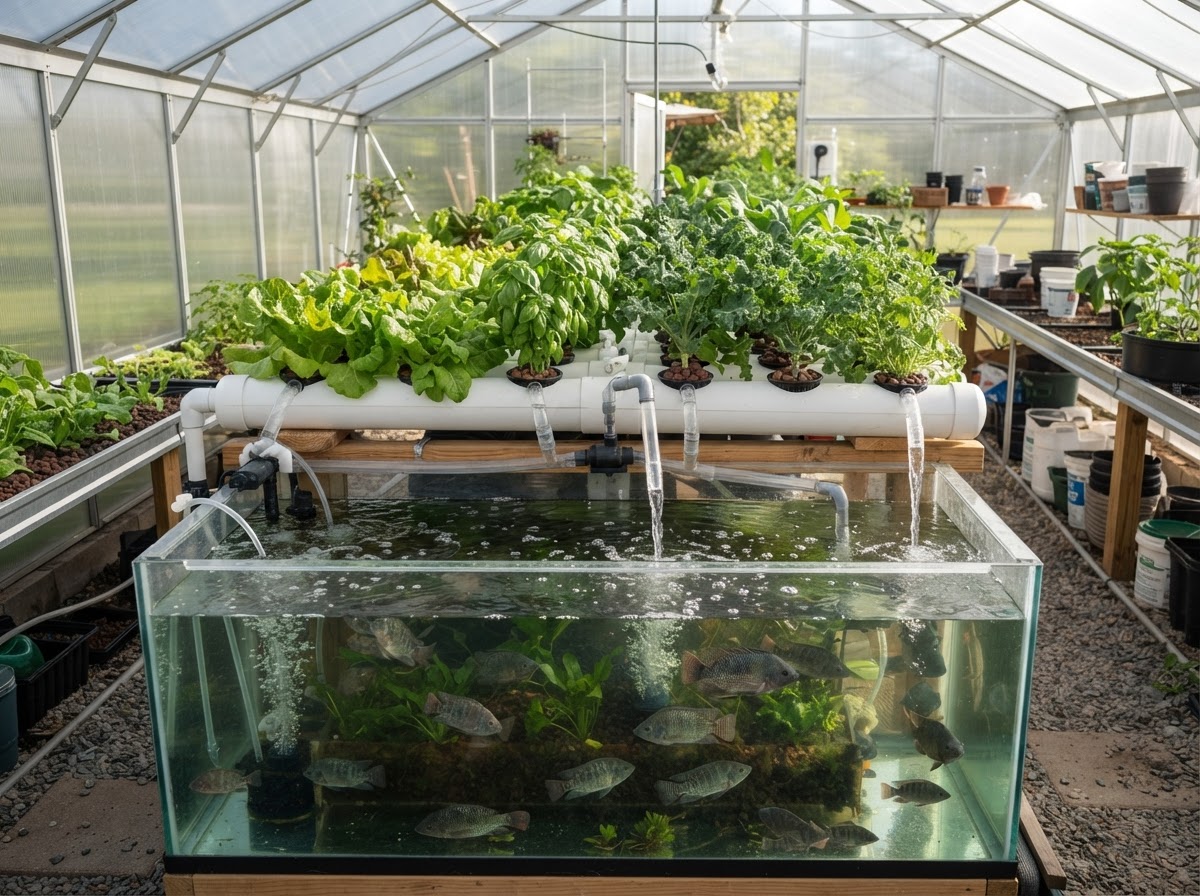
An aquaponics system with a fish tank and leafy greens growing in water beds
07

Aquaponics

Proposed
What it is
Fish and vegetables in a recirculating system where fish waste nourishes plants and plants help clean the water.
Why it interests ULM Farms
Produces protein and produce in a compact footprint and offers rich research opportunities.
Relationship to other systems
Linked to water stewardship, controlled-environment growing, and nutrient management.
Research and implementation questions
Water source (no municipal service on site), energy, species selection, and system design.
Status
Proposed.
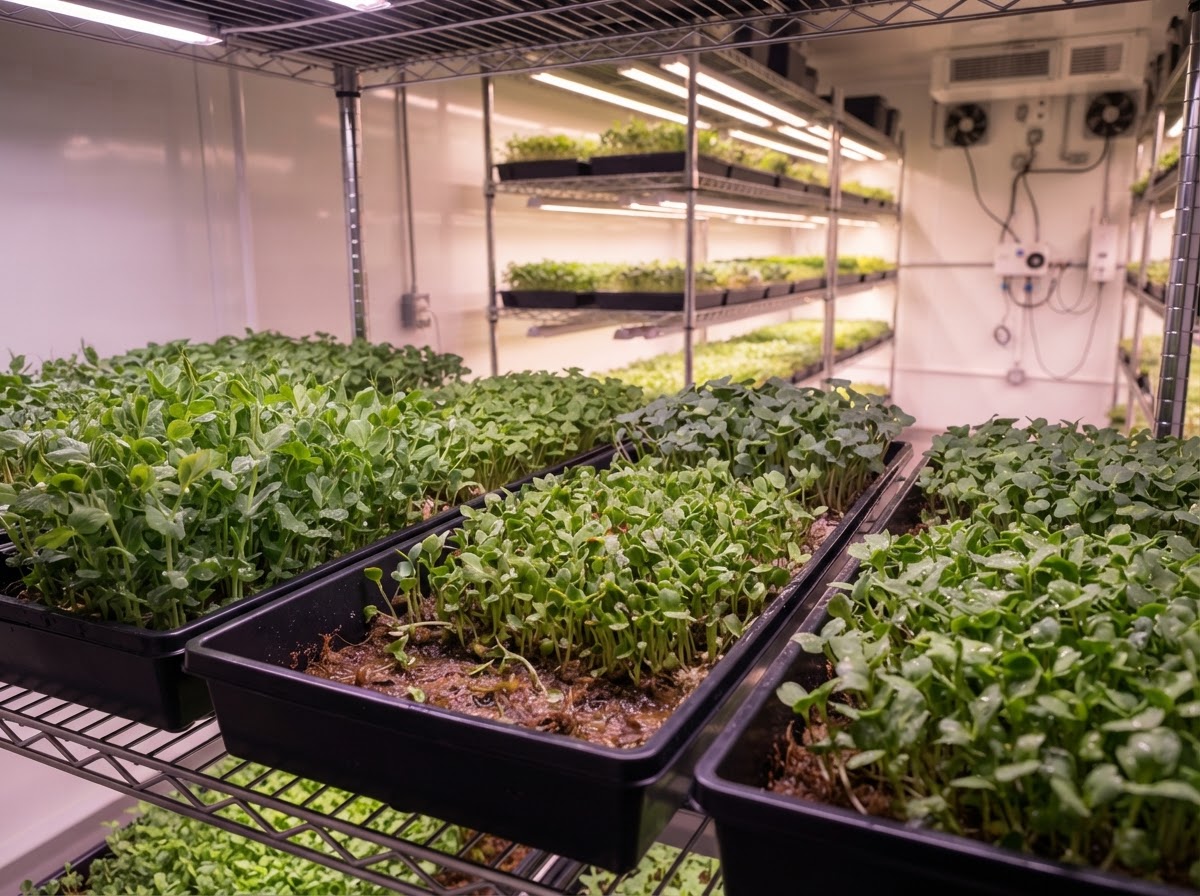
Modular shipping containers adapted for indoor controlled-environment crop growing
08

Container Farms

Proposed
What it is
Controlled-environment growing in modular containers for microgreens, mushrooms, and leafy greens, year-round.
Why it interests ULM Farms
Year-round production, education-friendly, and suited to early-stage operations.
Relationship to other systems
Uses compost and spent substrates; may supply restaurants and community food programs.
Research and implementation questions
Facility, energy, and market fit.
Status
Proposed.
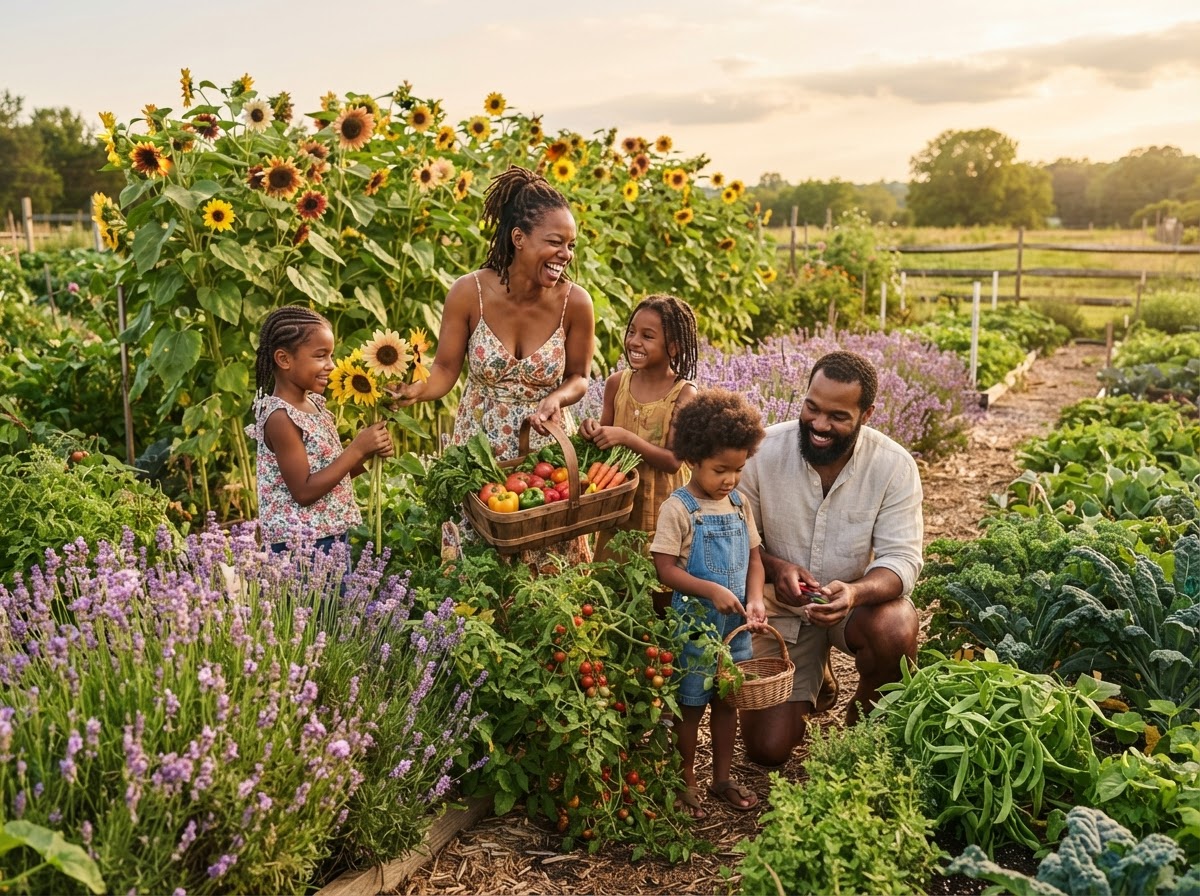
An African American family picking vegetables and flowers together in a sunny pick-your-own garden with lavender and sunflowers
09

3-Acre U-Pick Garden

Proposed
What it is
A community pick-your-own garden with vegetables, flowers, lavender, and fruit.
Why it interests ULM Farms
Direct community connection, food access, and income potential.
Relationship to other systems
Supported by soil, water, and compost systems; a natural setting for education.
Research and implementation questions
Crop selection, labor, and market testing.
Status
Proposed.
A tall green bamboo grove with sunlight filtering through the stalks
10

10-Acre Bamboo Grove for Biochar

Under evaluation
What it is
Managed bamboo cultivation and biochar production for soil improvement.
Why it interests ULM Farms
Bamboo is central to the ULM Farms identity and may support erosion control, biomass, and product opportunities.
Relationship to other systems
Biochar feeds soil health; bamboo may supply materials for crafts and construction.
Research and implementation questions
Species, containment, siting of roughly 10 acres, harvesting, biochar production method, and land-use review.
Status
Under evaluation.
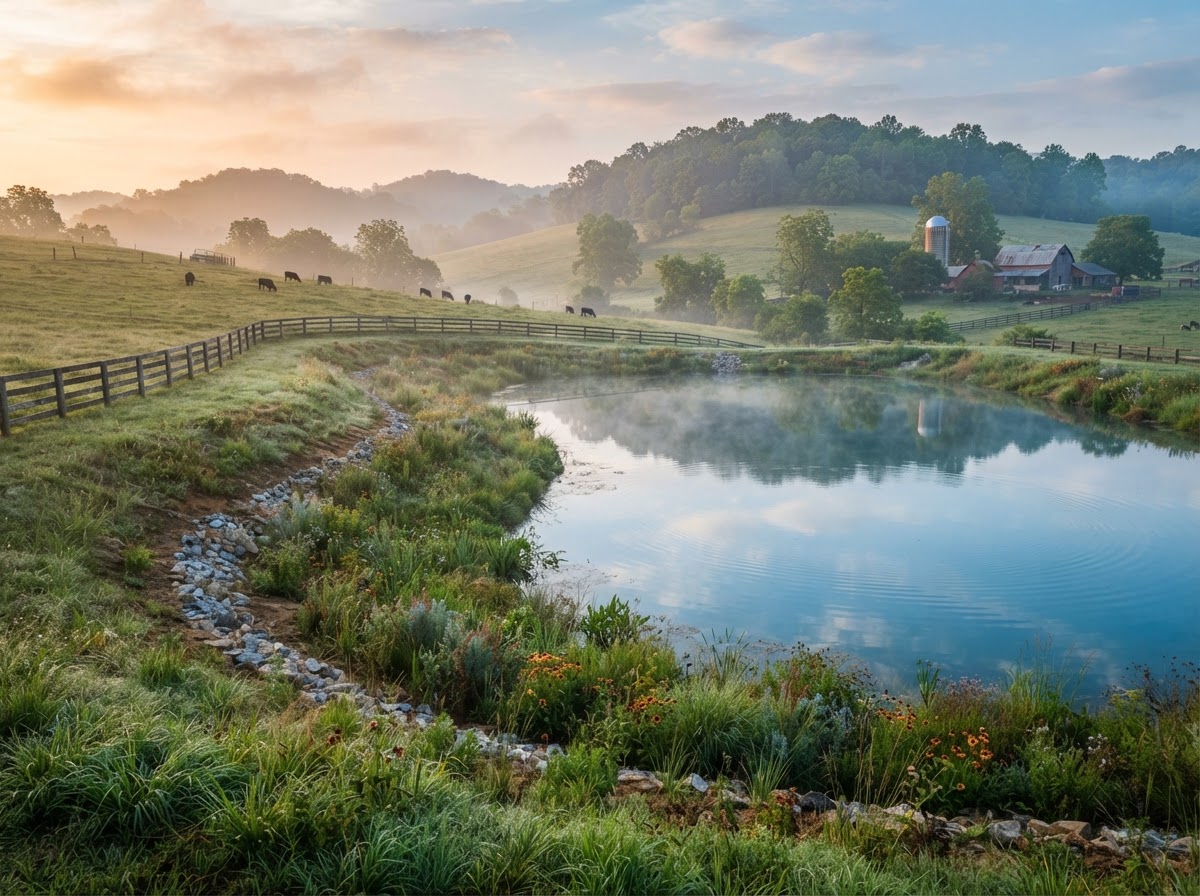
Rainwater capture swales and a farm pond with native grasses
11

Atmospheric Water + Rainwater Collection

Under evaluation
What it is
Rainwater capture, atmospheric water generation, swales, and pond restoration assessment.
Why it interests ULM Farms
The farm has no municipal water service and shows erosion and runoff damage. Water is the limiting factor for nearly every other system.
Relationship to other systems
Foundational to crops, aquaponics, livestock, and facilities.
Research and implementation questions
Pond water-level causes, drainage patterns, engineering studies, environmental assessment, and permits.
Status
Under evaluation.
Goats grazing in a silvopasture with trees and green forage
12

Goat Grazing Area

Proposed
What it is
Managed goat grazing and potential silvopasture to control kudzu and overgrowth while preserving woodland.
Why it interests ULM Farms
Goats can help manage kudzu and overgrowth, build soil, and preserve woodland while producing food.
Relationship to other systems
Manure supports composting; silvopasture protects existing trees.
Research and implementation questions
Fencing, water, predator management, and rotation design.
Status
Proposed.

Engineering, environmental assessment, permits, and technical studies will determine which approaches are feasible. None of these systems is currently operating at ULM Farms.